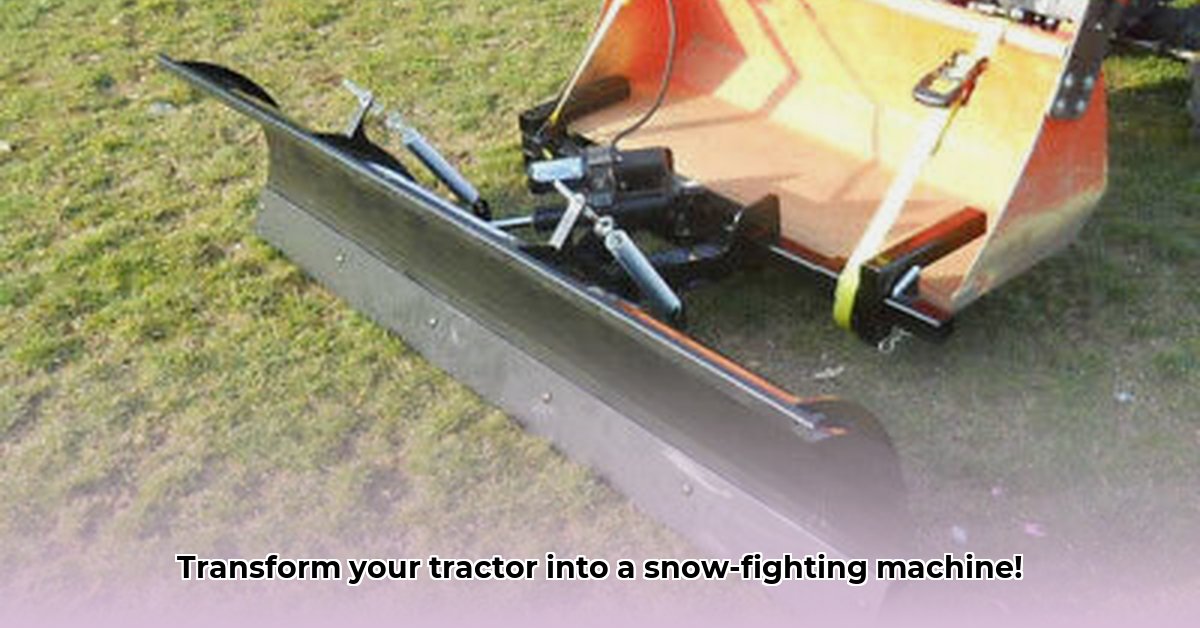
Winter's arrived, and with it, the inevitable snow. If you own a tractor, you possess a powerful tool to conquer those snowy piles. But plowing snow effectively with a tractor bucket requires more than just hopping in and going. This guide will transform you from a novice snow-fighter to a winter-weather warrior. Whether you're a seasoned pro or just starting, we'll equip you with the knowledge and techniques to handle any snowstorm. For more in-depth tractor snow removal techniques, check out this comprehensive guide.
Choosing the Right Tractor and Bucket: Your Winter Powerhouse
Your tractor and bucket are your primary weapons in the battle against snow. The right combination optimizes efficiency and safety.
Tractor Selection: Power Meets Precision
Consider the size of your property and typical snowfall. A smaller, compact tractor is perfect for small yards and light snows. However, for larger properties or heavier snowfalls, a more powerful tractor with increased horsepower is essential.
Bucket Considerations: Size and Weight Matter
The bucket's size directly impacts clearing speed. A wider bucket covers more ground faster, but a smaller tractor might struggle with a large bucket's weight and load. This is where adding weight to your tractor becomes crucial. Extra weight (counterweights, wheel weights, or sandbags) significantly improves traction on slippery surfaces, acting as your secret weapon.
Getting Ready: Tractor and Bucket Prep
Before tackling the snow, thorough preparation is non-negotiable. Think of this as your pre-race checklist – you wouldn't race without checking your car, would you?
Fluid Levels: Ensure engine oil, coolant, and hydraulic fluids are at their optimal levels. Cold temperatures thicken fluids, making this step especially important. Low fluids risk serious damage.
Tire Pressure and Chains: Proper tire pressure is crucial for traction. For icy conditions, tire chains provide the extra grip needed to prevent dangerous slippage.
Bucket Cleaning: Remove any debris or leftover materials from previous uses. A clean bucket enhances efficiency and prevents unexpected problems.
Weight Addition: Strategically adding weight enhances stability and traction. Consider wheel weights, counterweights, or even sandbags, remembering that more weight generally means better grip in deep snow.
Mastering Snow Removal Techniques
Snow removal is not simply about driving; it's a skill honed through technique. Our expert-guided methods ensure efficient and safe snow clearing.
Speed Control: Start slow to get a feel for your tractor and the snow conditions. Rushing increases the risk of accidents and reduces overall effectiveness. Slow and steady wins the race!
Bucket Angle Adjustment: The optimal bucket angle varies based on snow type. Slightly angled is usually best for dry snow, while heavier snow often requires a different angle to ensure effective removal. Experiment to find your best approach.
Overlapping Passes: Overlap your passes to ensure complete snow removal. Think of painting a wall – overlapping guarantees a perfect, even finish.
Harnessing Power: Utilize your tractor's full power. A few deep passes are significantly more efficient than several shallow ones. Trust your machine's capabilities!
Situational Awareness: Maintain constant awareness of your surroundings. Watch out for hidden obstacles like rocks, mailboxes, and utility lines to prevent damage to your equipment or injury.
Snow Type Strategies: Adapting Your Approach
Different snow types demand different techniques. Here's how to adjust your strategy:
Light, Powdery Snow: A gentle approach works best. Low speed and slight overlapping are all that's necessary.
Wet, Heavy Snow: This requires more power and weight. Add ballast to improve traction and carefully adjust your bucket angle for optimal removal efficiency.
Packed Snow and Ice: This is the most challenging scenario. Maximum weight, a sharp bucket edge, and potentially edge tamers are essential to tackle these conditions effectively. Remember, even with the best preparation, these conditions can be difficult.
Safety First: Prioritize Your Well-being
Safety should always be paramount. Our safety guidelines ensure a safe and accident-free snow removal operation.
Protective Clothing: Wear warm, waterproof clothing, gloves, and sturdy footwear. Good visibility is crucial, even during daylight hours.
Environmental Awareness: Pay close attention to your surroundings. Be aware of hidden ice patches, obstacles, and potentially hazardous conditions.
Scheduled Breaks: Snow removal can be physically demanding. Regular breaks prevent fatigue and reduce the risk of accidents.
Informed Companions: Let someone know your plans, including your location and expected return time. This simple precaution can be a lifesaver.
Post-Operation: Equipment Care and Maintenance
After each snow removal session, thoroughly clean your tractor and bucket to prevent corrosion and maintain optimal equipment performance. Regular maintenance—checking fluids and inspecting for damage—ensures years of reliable service.
Is a Tractor Bucket Right for You? Weighing the Pros and Cons
Using a tractor bucket for snow removal offers significant advantages, but also some limitations.
| Feature | Pros | Cons |
|---|---|---|
| Versatility | Multi-purpose use beyond snow removal. | Less efficient than specialized snow equipment in heavy snowfalls. |
| Cost | Usually less expensive than dedicated snow clearing equipment. | May require additional weight for optimal performance, adding to purchase cost. |
| Maintenance | Relatively straightforward maintenance. | Susceptible to damage from collisions with obstacles. |
| Effectiveness | Effective for smaller areas and lighter snowfalls. | May struggle with extremely heavy, wet, or deep snow without modifications or greater power. |
Mastering snow removal with a tractor bucket is a skill that develops with experience and adaptation. Prioritize safety, thorough preparation, and mindful technique to conquer any winter storm.